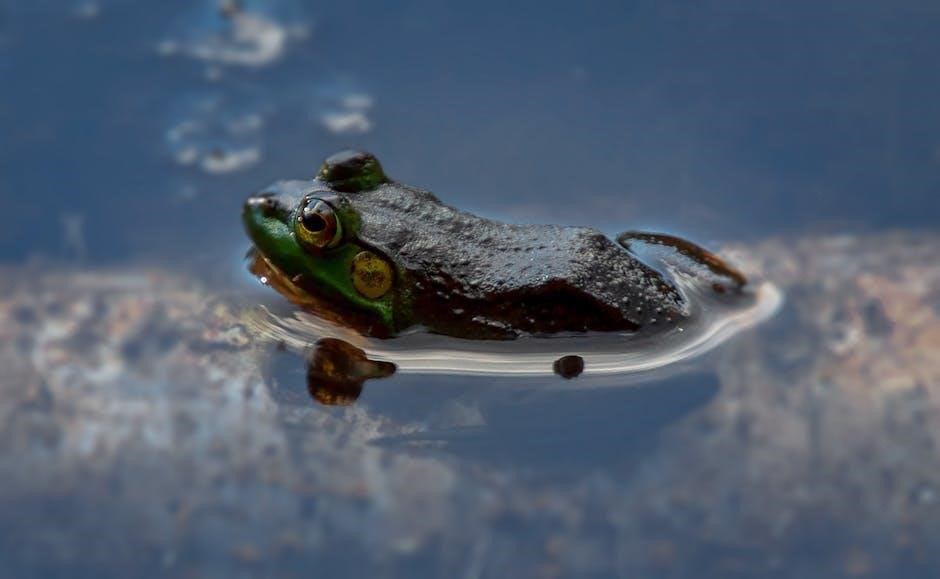
little frog’s guide to self care
Welcome, little ones! This guide is designed to help young frogs discover the joy of taking care of themselves, fostering wellbeing and resilience from an early age.
Mindfulness and emotional regulation are key components, offering tools to navigate feelings and build self-awareness, benefiting all little frogs, especially those needing extra support.
What is Self-Care for Little Frogs?

Self-care for little frogs isn’t about bubble baths and spa days (though those can be fun too!). It’s about learning to pay attention to what makes you feel good – both inside and out. It’s about recognizing your feelings, big or small, and finding healthy ways to cope with them.
Think of it as giving your heart and mind a little hug. This can involve simple things like taking a few deep breaths when you feel worried, noticing the beautiful colors around you, or expressing gratitude for the things you love. Mindfulness activities, like mindful breathing and sensory awareness, are fantastic tools.
For little frogs who experience things a bit differently – neurodivergent frogs – self-care might also include strategies to help with focus, like breath games, or to manage sensory overload, like finding a quiet space. Ultimately, self-care is about building resilience and promoting overall wellbeing, ensuring every little frog can thrive!
Why is Self-Care Important for Little Frogs?
Self-care is incredibly important for little frogs because it helps them grow into happy, healthy, and resilient individuals; Learning self-care skills early on equips them with tools to manage stress, regulate emotions, and navigate challenges throughout their lives.
Studies show that mindfulness-based interventions (MBIs) positively impact all children, but are especially beneficial for those facing difficulties like delayed self-regulation, trauma, or executive functioning deficits. It’s about building a strong foundation for mental and emotional wellbeing.
When little frogs practice self-care, they develop greater self-awareness, focus, and the ability to bounce back from tough times. It fosters a sense of calm and control, reducing anxiety and promoting positive self-esteem. Supporting neurodivergent little frogs with tailored techniques is crucial, allowing them to feel safe and empowered.
Mindfulness for Little Frogs
Let’s explore mindfulness! Simple practices like mindful breathing, sensory awareness, and gratitude can help little frogs focus, regulate emotions, and find inner peace.
Mindful Breathing Exercises
Belly Breathing for Little Frogs: Encourage your little one to lie down comfortably and place a small stuffed animal on their tummy. Ask them to breathe in slowly through their nose, making the stuffed animal rise, and then exhale slowly through their mouth, making it fall.
Bubble Breathing: Imagine you’re blowing bubbles! Take a deep breath in, pretending to fill a bubble wand with air, and then gently blow out, as if creating a beautiful, floating bubble. This playful exercise helps regulate breath and calm the mind.
Flower Breath: Pretend to be a flower bud, slowly closing up tight. Then, take a deep breath in and slowly “bloom” open, stretching your arms and legs. Exhale slowly, gently closing back up. These exercises promote focus and emotional regulation, aiding overall development.
Sensory Awareness Activities
Nature Scavenger Hunt: Take your little frog on a walk and encourage them to really notice their surroundings. What colors do they see? What sounds do they hear? What textures can they feel – smooth leaves, rough bark, soft grass? This boosts observation skills.
Texture Exploration: Gather different textured items – a soft blanket, a bumpy ball, a smooth stone; Have your little one close their eyes and explore each item, describing how it feels. This enhances sensory processing and body awareness.
Mindful Listening: Sit quietly and listen to the sounds around you. Can you hear birds chirping, cars passing, or the wind blowing? Identifying sounds promotes focus and a sense of calm. These activities help children feel more grounded.
Gratitude Practices for Little Ones
“Thank You” Jar: Decorate a jar and, each day, have your little frog add a note (or draw a picture) of something they are thankful for. Reviewing these together fosters positive emotions and appreciation. It’s a simple yet powerful practice!
Gratitude Sharing at Mealtime: Before eating, go around the table and have everyone share one thing they are grateful for. This encourages mindful reflection and strengthens family bonds. Even small things count!
Thank You Notes: Encourage your little one to create thank you notes for people who do kind things for them. This teaches appreciation and strengthens social connections. Gratitude builds resilience and wellbeing.
Emotional Regulation for Little Frogs
Learning to manage feelings is vital for little frogs! This section explores identifying, expressing, and coping with emotions in healthy ways, building emotional intelligence.
Identifying Feelings
Little frogs, let’s talk about feelings! Sometimes, feelings can feel big and confusing, like a swirling pond. It’s important to learn what those feelings are. Are you feeling happy like sunshine on a lily pad? Or maybe sad, like a rainy day? Perhaps angry, like a buzzing dragonfly?
Feelings show up in our bodies too! A fast heartbeat might mean you’re excited or scared. A tummy ache could mean you’re nervous. Learning to notice these clues helps us understand what’s happening inside.
We can use words to name our feelings. “I feel happy,” “I feel sad,” “I feel angry.” Even just saying the word can make a big difference! Remember, all feelings are okay. It’s what we do with our feelings that matters. Practicing identifying feelings is the first step to becoming a self-aware little frog!
Talking About Feelings
Sharing is caring, little frogs – especially when it comes to feelings! Talking about how you feel can make those big, swirling emotions feel a little smaller. It’s okay to tell a trusted grown-up – a parent, guardian, or teacher – what’s going on inside.
You can say, “I’m feeling sad because…” or “I’m feeling angry about…” Sometimes, it’s hard to find the right words, and that’s okay too! You can draw a picture, sing a song, or even act out how you feel.
Remember, talking isn’t tattling. It’s asking for help and support. When we share our feelings, we let others know how to best help us. And when others share their feelings with us, we can be a good friend and offer comfort. Talking builds connections and makes us stronger little frogs!
Healthy Ways to Express Emotions
Little frogs have big feelings, and it’s important to let them out in healthy ways! When you’re feeling upset, stomping your feet or squeezing a soft toy can help release energy. Drawing, painting, or building with blocks are fantastic ways to show what’s inside without hurting anyone.
Dancing to your favorite music can shake those sad feelings away, and singing can lift your spirits. Taking deep breaths, like we learned in mindful breathing, can calm you down when you’re feeling overwhelmed.
Remember, it’s never okay to hit, bite, or yell at others. Those actions hurt both you and your friends. Finding healthy outlets for your emotions helps you grow into a kind, strong, and happy little frog!
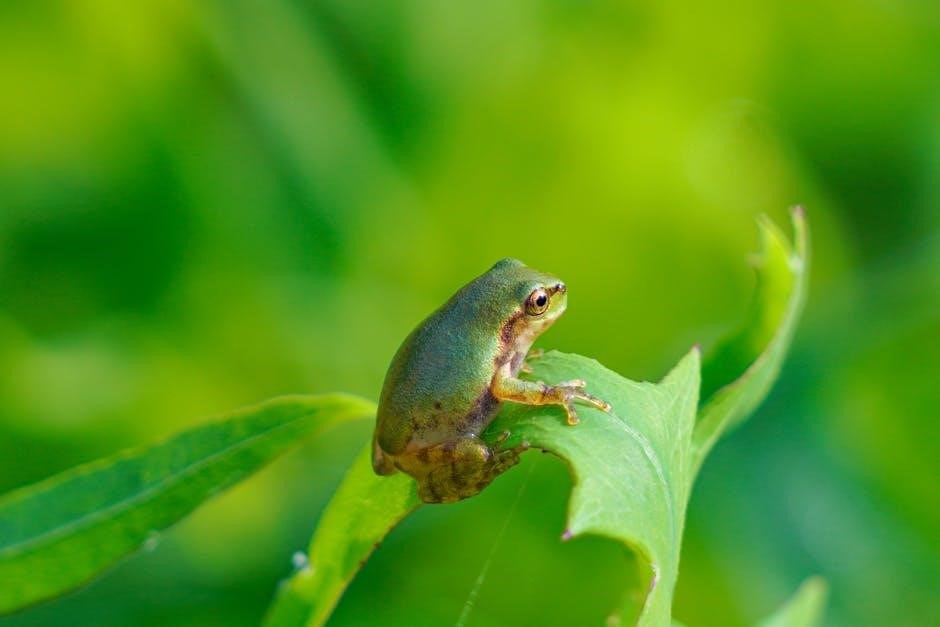
Supporting Neurodivergent Little Frogs
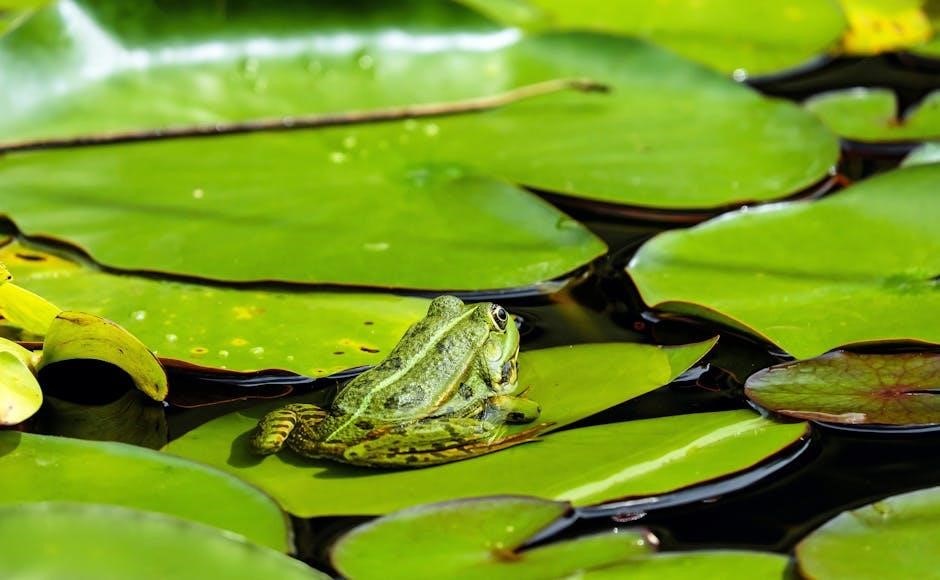
Special frogs need special tools! Breath games and sensory grounding techniques can offer comfort and control, helping little ones with focus and managing sensory experiences.
Breath Games for Focus
Bubble Breath: Imagine you’re a little frog blowing bubbles! Take a deep breath in, filling your belly like a balloon, and then slowly blow it out, pretending to blow a big, shimmering bubble. Watch it float away! Repeat several times, focusing on the slow, steady breath.
Flower Breath: Pretend you’re a beautiful flower slowly opening your petals. Inhale deeply, and as you breathe in, imagine your petals unfolding. Exhale slowly, and imagine your petals gently closing. This helps calm the mind and body.
Bee Breath: Let’s buzz like busy bees! Take a deep breath in, and as you exhale, make a gentle “buzzing” sound. This playful breathwork can help little frogs concentrate and release energy. These games are especially helpful for neurodivergent little frogs who may benefit from focused, calming activities.
Sensory Grounding Techniques
5-4-3-2-1 Method: Help your little frog connect to the present moment by noticing their surroundings. Ask them to name 5 things they can see, 4 things they can touch, 3 things they can hear, 2 things they can smell, and 1 thing they can taste. This anchors them in the “now.”
Texture Exploration: Gather different textured items – a soft blanket, a bumpy ball, smooth stones. Encourage your little frog to explore these textures with their hands, describing how they feel. This provides calming sensory input.
Weighted Comfort: A gentle weighted blanket or stuffed animal can provide a sense of security and calm, particularly for little frogs experiencing sensory overload or anxiety. These techniques offer a sense of control and stability.
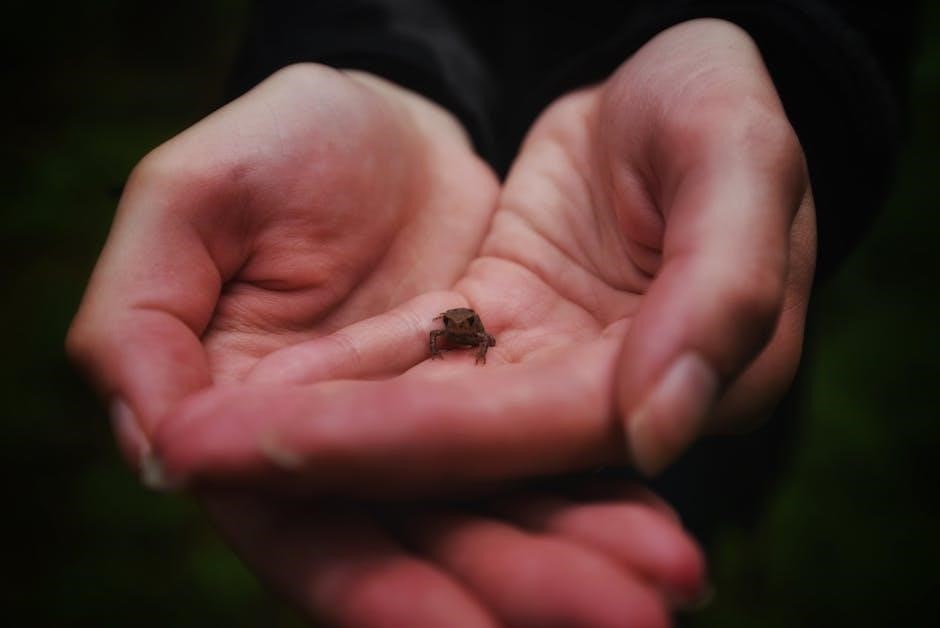
Creating a Self-Care Routine
Routine is key! Establishing predictable quiet times, nature explorations, and age-appropriate activities helps little frogs integrate self-care into their daily lives seamlessly.
Quiet Time & Comfortable Spaces
Creating a cozy haven is essential! Little frogs thrive when they have a designated quiet space – a comfy corner with pillows, blankets, and favorite soft toys. This space should be free from distractions, offering a sanctuary for relaxation and self-soothing.
Encourage short, regular quiet times throughout the day. Even five to ten minutes can make a big difference! During this time, little frogs can engage in calming activities like reading, gentle stretching, or simply resting and observing their surroundings. A comfortable space promotes a sense of safety and security, allowing little frogs to recharge and regulate their emotions.
Remember to involve your little frog in creating their special space, allowing them to choose colors, textures, and items that bring them joy and comfort. This fosters a sense of ownership and encourages them to utilize the space willingly.
Nature Walks & Observation
Embrace the outdoors! Nature walks offer a wonderful opportunity for little frogs to connect with the natural world and practice mindfulness. Encourage your little one to truly notice their surroundings – the colors of the leaves, the sounds of the birds, the feel of the breeze on their skin.
Turn the walk into a sensory exploration. What do they see, hear, smell, and feel? Ask open-ended questions like, “What’s the most interesting thing you’ve spotted?” or “How does the grass feel under your feet?” Observation fosters a sense of calm and wonder, grounding little frogs in the present moment.
Even a short walk around the neighborhood can be beneficial. The key is to slow down, be present, and appreciate the simple beauty of nature. This practice builds resilience and enhances emotional wellbeing.
Age-Appropriate Activities
Tailoring self-care is crucial! For the youngest little frogs, simple activities are best. Think bubble blowing (focusing on breath), listening to calming music, or enjoying a cozy cuddle with a loved one. These build a foundation for self-soothing.
As little frogs grow, introduce gratitude practices like naming things they’re thankful for. Sensory play – with playdough, water, or sand – can be incredibly grounding. Encourage drawing or coloring to express emotions creatively; Remember to keep it playful and avoid pressure!
Making mindfulness accessible and enjoyable is key. Adapt activities to your little frog’s interests and developmental stage. Regular practice, even in short bursts, helps build resilience and reduce stress, enhancing their mental and emotional wellbeing.
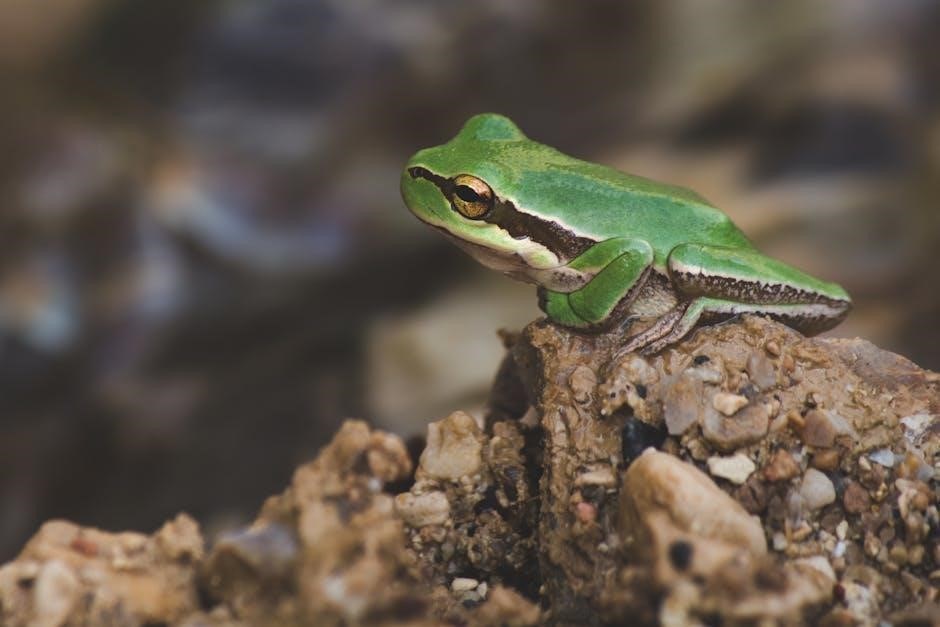
Parent & Guardian Support
You are vital! Supporting your little frog’s self-care journey involves mindful parenting, education, and creating a nurturing environment for emotional growth and wellbeing.
Mindful Parenting Skills
Leading by example is powerful! Mindful parenting involves being fully present with your little frog, observing their cues without judgment, and responding with empathy and understanding.
This means taking a breath before reacting to challenging behaviors, creating a safe space for open communication, and modeling self-care practices yourself. When parents practice mindfulness, they are better equipped to support their children’s emotional regulation.
Regular feedback and support conversations are beneficial, as are weekly communications sharing insights and strategies. Consider exploring programs like CARE or MBSR (Mindfulness-Based Stress Reduction) to deepen your understanding and skills. Remember, a calm and centered parent fosters a calm and centered child, creating a harmonious environment for growth and wellbeing.
Parent Education Opportunities
Empowering parents is crucial! Early childhood settings can significantly benefit from offering workshops and resources focused on mindful parenting and self-care techniques.
These opportunities can range from introductory sessions on mindful breathing to in-depth training in programs like CARE or MBSR (Mindfulness-Based Stress Reduction). Sharing information about the positive effects of mindfulness – particularly for children experiencing self-regulation challenges, trauma, or executive functioning deficits – is key.
Consider hosting regular parent support groups, providing access to online resources, or offering individual consultations. Investing in parent education not only supports the wellbeing of the adults but also creates a ripple effect, positively impacting the children in their care and fostering a more mindful home environment.